A few harvests back, a customer pulled into the lot with a Peterbilt hauling a loaded grain trailer off the highway. Check engine light on, blue smoke off the stack, the kind of miss that tells you a cylinder is in trouble. By the next afternoon we had it diagnosed — a stuck injector and a tired head gasket on the driver’s side — and got him back to finishing the field. That’s the kind of engine repair we do every day in Jerome, Idaho — real work on real trucks, finished on real timelines.
Engines do not fail at convenient times. They give up on the way home from Twin Falls, the morning of a long haul, or the first cold snap in November. The job of a good shop is to read the symptoms quickly, give you an honest answer, and get you moving again without padding the invoice.
What our engine repair covers
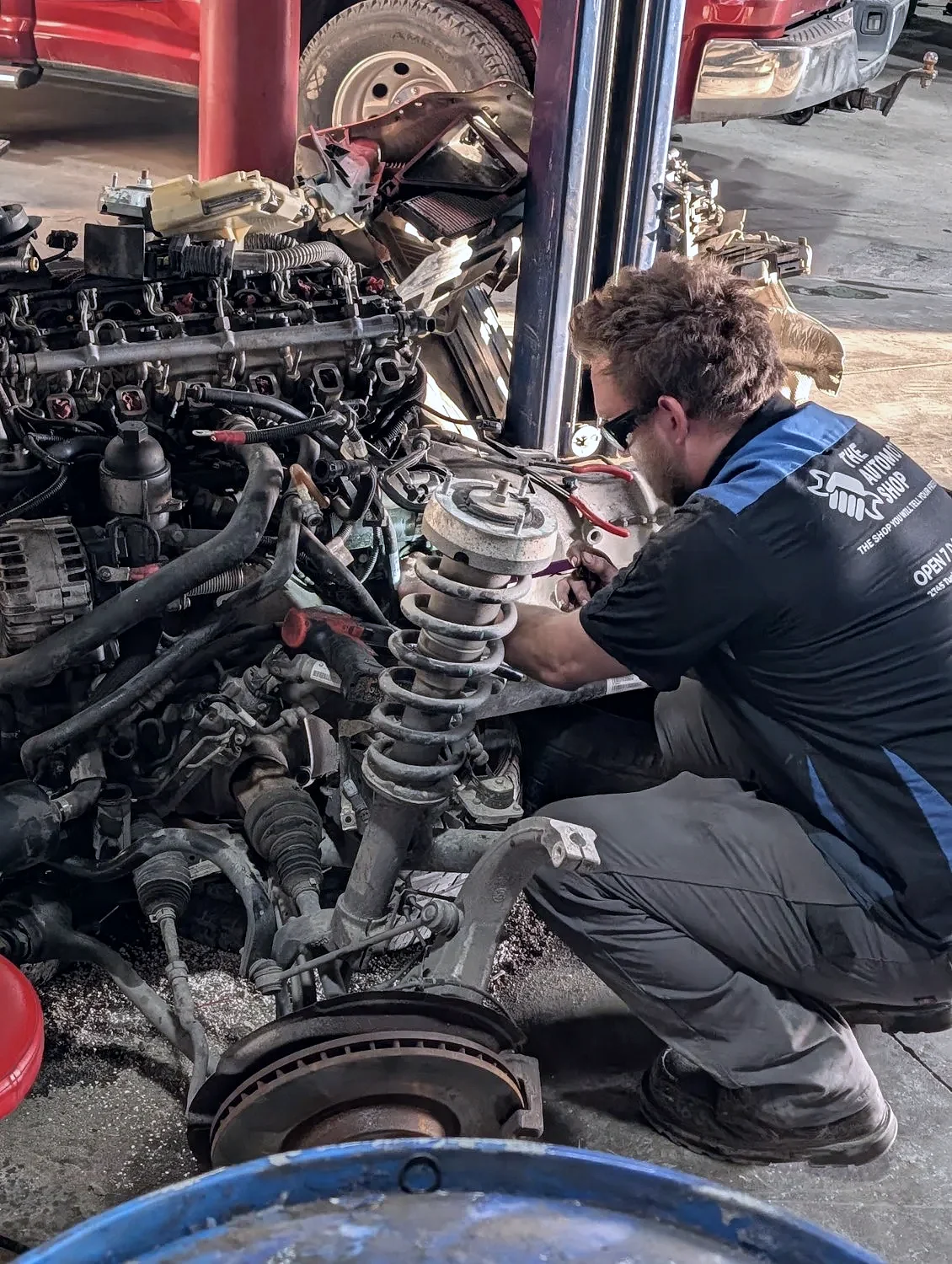
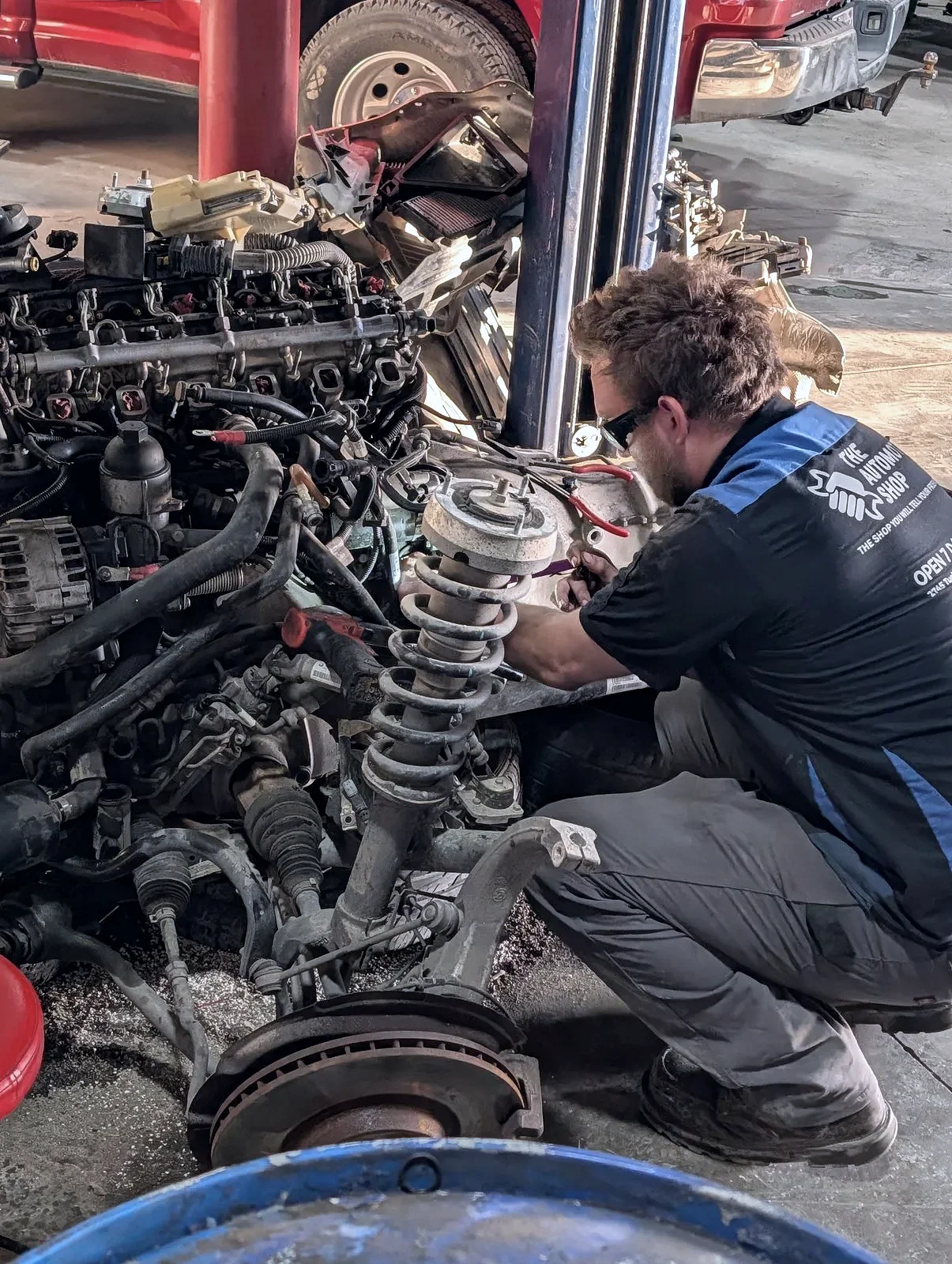
We work on gas and diesel engines from daily drivers to one-ton work trucks and older pickups that have been in the family for thirty years. Common jobs in the bay include:
- Full diagnostic work — codes, live data, smoke tests, compression and leak-down.
- Head gasket and cylinder head repair, including resurfacing and valve work.
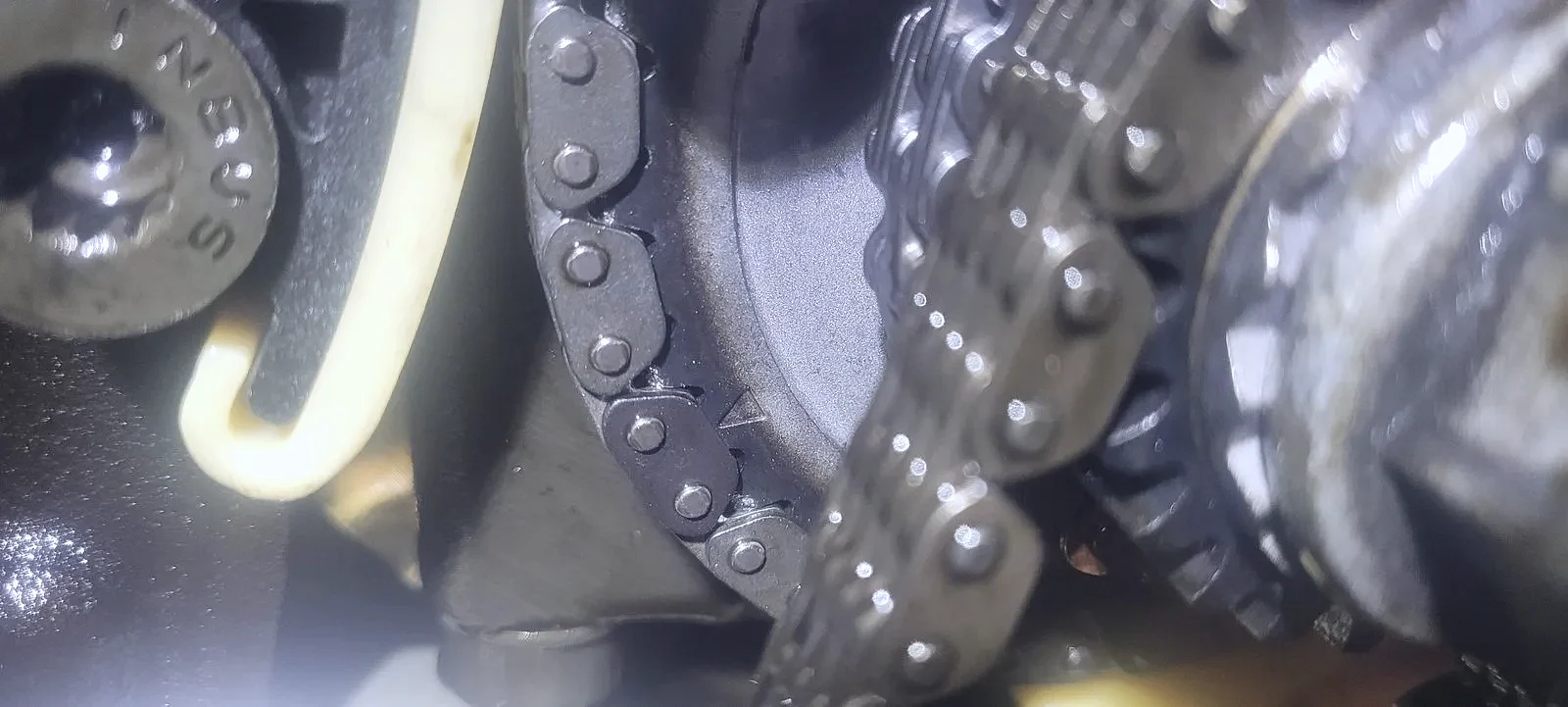
- Timing belt and timing chain replacement with tensioners, water pumps, and seals.
- Injector replacement, fuel system service, and turbo work on diesels.
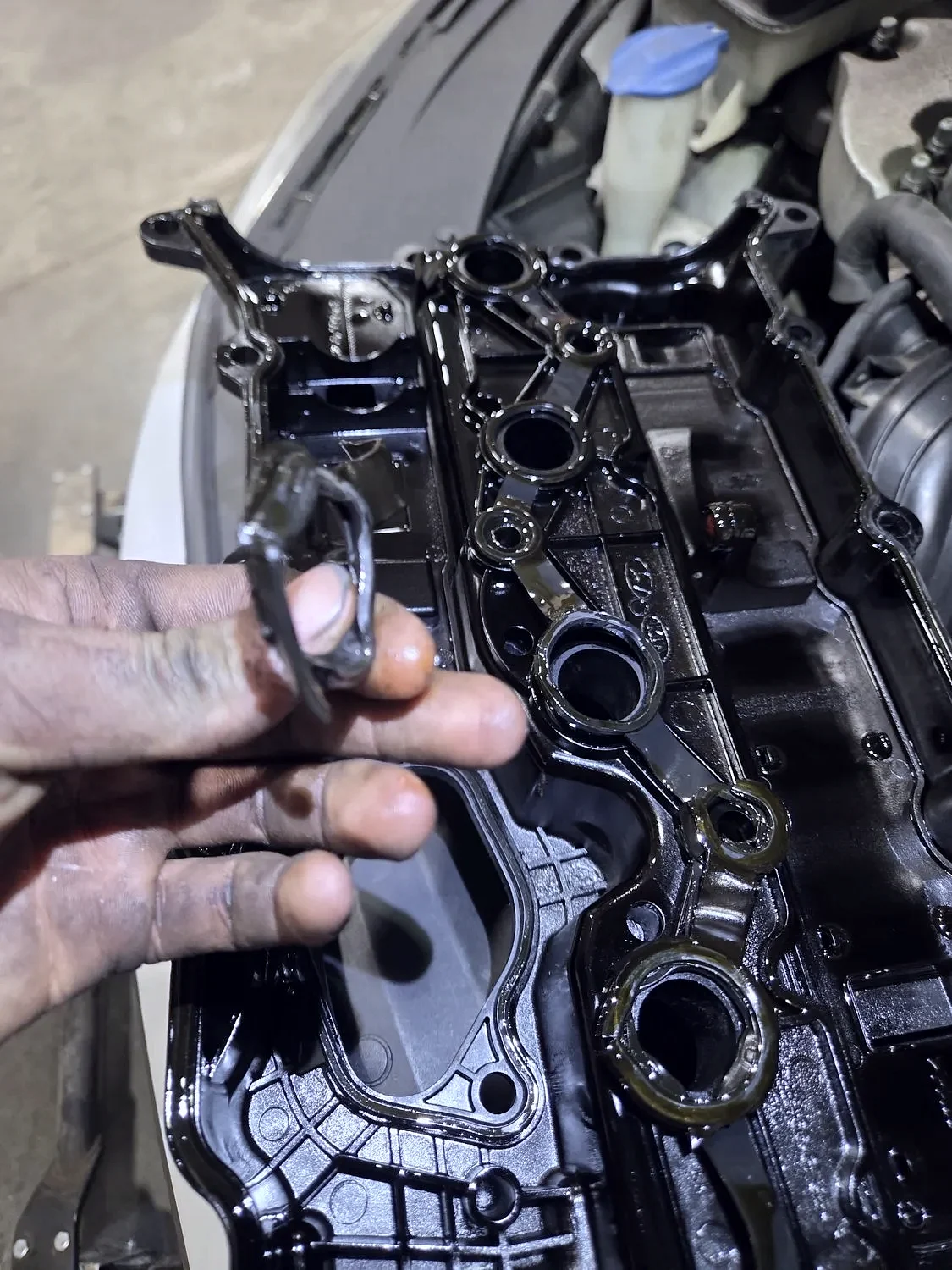
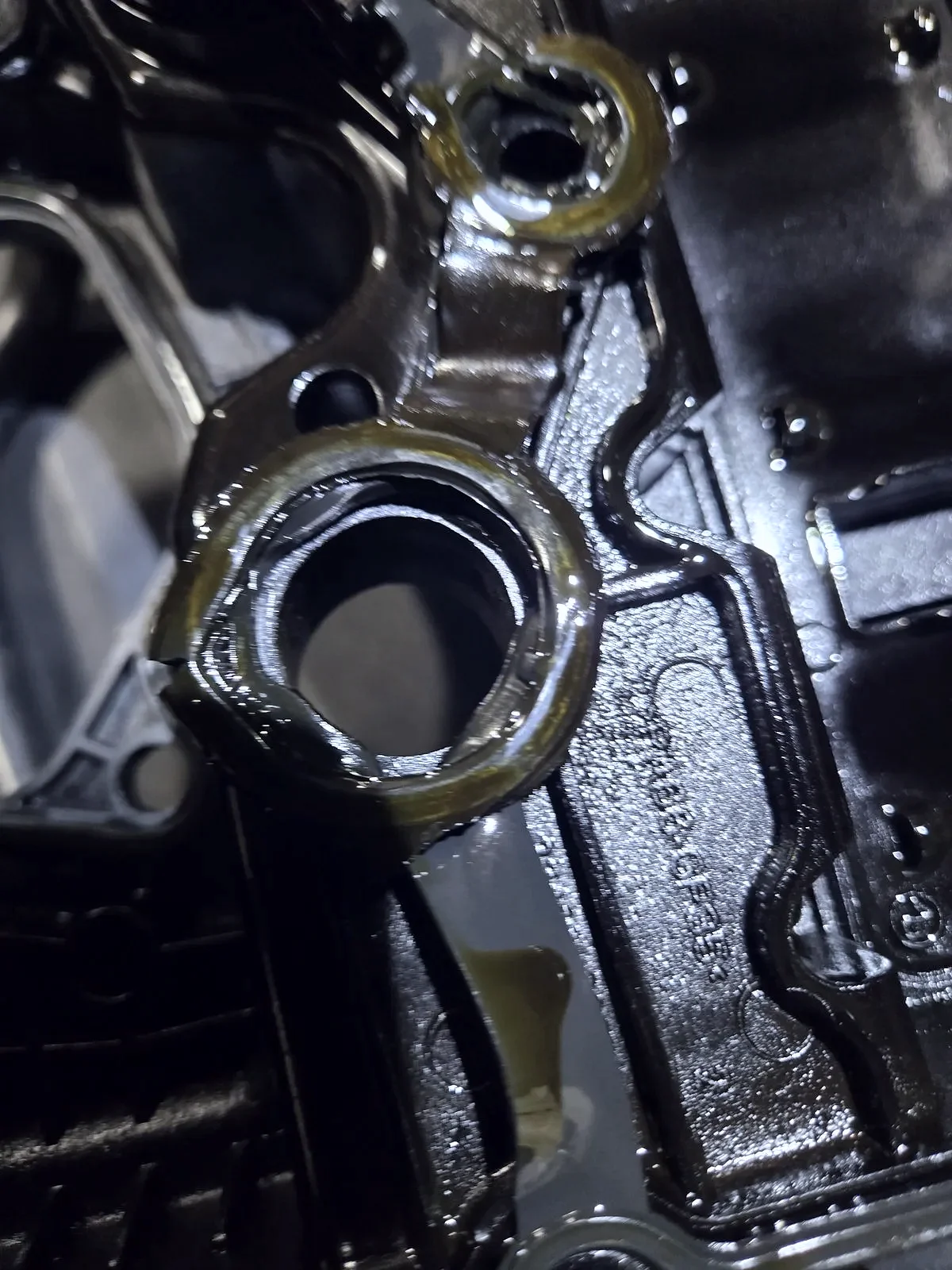
- Oil leak repair — rear main seals, valve covers, oil pan gaskets.
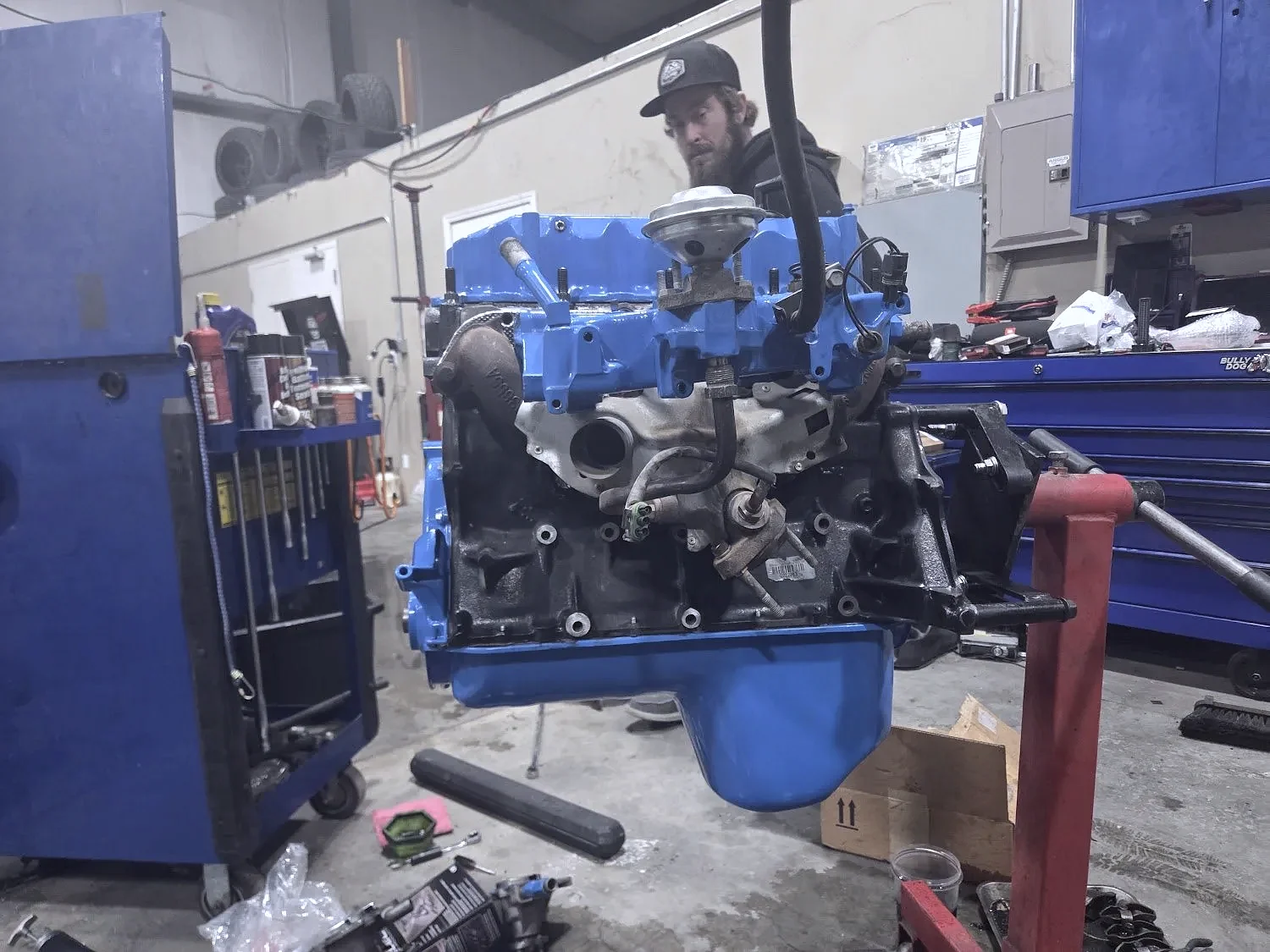
- Short block, long block, and complete engine replacements.
When an engine is more cost-effective to swap than rebuild, we will tell you. When a $200 sensor will fix what another shop wanted to tear into, we will tell you that, too.
Why engines wear out faster around here
The Magic Valley is hard on engines. Dust during harvest plugs filters. Heavy loads on the I-84 freight corridor heat up exhaust manifolds and head gaskets. Then winter shows up. A diesel that starts fine in October might crank slow at −10°F because the glow plug relay is failing and nobody noticed until it was twenty below. We see those patterns every season, which is part of how we diagnose so quickly — we have probably already fixed the same problem on someone else’s truck this month.
We also see the long-term effects of irrigation-season hauling and farm use. Long idle hours, dusty intake tracts, and short trips on cold mornings all add up. Many of our customers run combined miles in trucks and equipment that would retire a city commuter twice over.
What to expect when you bring it in
Drop your vehicle off or call ahead and we’ll get it on the lift. We diagnose first, then send a written estimate before anything is ordered. Honest estimates means no surprise charges, no upsells, and a clear breakdown of parts and labor.
Smaller jobs — sensors, gaskets, timing components on common engines — usually wrap up in a day or two. Head gasket work runs three days to a week depending on parts and what we find at teardown. Full engine replacements typically land in the one-to-two-week window. If we’re waiting on a long-block from a supplier, we’ll tell you the day we order it.
Built to handle gas, diesel, and everything between
Engine work rarely lives in a vacuum. A worn timing chain often shows up alongside a transmission that has been working too hard for too long, which is why we keep our transmission and drivetrain work in-house. Hard-start diesels and parasitic draws send us into the electrical system. Heavier builds get sent over to our diesel repair side of the shop. If you’re not sure where your truck fits, the overview on our services page covers the full menu.
Honest estimates, no pressure
We do not quote prices on the website because every engine job is different. What we will promise: a written estimate before work starts, a phone call if anything changes, and a clear answer about whether repair or replacement makes more sense for your situation. If your engine is past saving and the rest of the truck is solid, we’ll lay out the replacement options. If a simple fix gets you home, we’ll do that.
Frequently Asked Questions
How do I know if my engine needs repair or full replacement?
It comes down to compression, oil consumption, coolant in the oil, metal in the pan, and how the engine runs under load. We pull codes, run a compression and leak-down test, and walk you through what we find before recommending repair, rebuild, or replacement.
Do you work on diesel engines?
Yes — Cummins, Powerstroke, and Duramax are regulars in our bay, along with smaller diesels in vans and equipment. Cold-start trouble, injector and turbo issues, and head gasket work on a 6.0 are common around here.
How long does an engine repair usually take?
A timing belt or chain typically runs one to three days. Head gasket work is three days to a week. A full replacement depends on parts availability — most shortblock or longblock swaps land in the one-to-two-week range.
Will you give me a written estimate before starting work?
Always. We diagnose first, then send a written estimate with parts and labor laid out before we order anything. If we find something else once we’re into the job, we stop and call.
Can you help with engines from out-of-area shops or warranty work?
Yes, we frequently finish jobs other shops won’t, and we can coordinate with extended warranty companies. Bring the paperwork and we’ll handle the rest.
Ready to get on the schedule?
Call us, book online, or stop by the shop in Jerome.